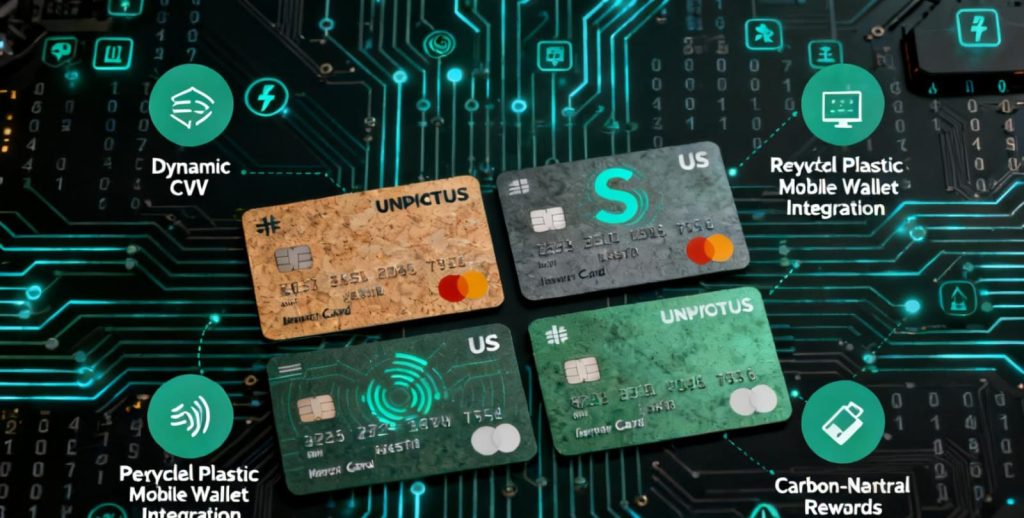
Credit cards remain one of the most widely-used financial tools in the United States. In 2026, they continue evolving rapidly — from reward structures and interest rate debates to emerging trends like sustainability and dynamic pricing. For millions of Americans, credit cards are both practical financial tools and gateways to rewards, travel perks, and building credit.
This article explores the current state of the U.S. credit card industry, how cards work, major trends in 2026, top products, risks to watch, regulatory pressures, and strategies for smart use.
1. The U.S. Credit Card Landscape in 2026
As of the latest industry reports:
- Credit card purchase volumes have remained on an upward trajectory, reflecting strong consumer reliance on card-based spending. Data indicates purchase volume reached approximately $3.6 trillion for the largest 14 issuers in 2024, growing compared to prior years. (orrick.com)
- Average credit card balances have climbed too, with total consumer balances exceeding $1.2 trillion in 2024. (orrick.com)
- The average APR for general-purpose cards reached above 25%, a level not seen since 2015 — though individual rates vary widely based on creditworthiness, card type, and issuer. (orrick.com)
Credit cards are big business for issuers like American Express, Bank of America, Citi, Chase, Capital One, and Discover. For example, American Express reported robust profit growth — up 13% in the fourth quarter of 2025, fueled by strong cardholder spending on travel and luxury goods. (AP News)
But this profitability has also sparked industry and political debate over whether high credit card rates are fair for consumers. In early 2026, proposals for a 10% interest rate cap sparked discussion among major banks — with some even exploring new cards with interest rates around that level to comply with potential policy changes. (Reuters)
2. How Credit Cards Work: The Basics
Before diving into 2026-specific trends and tips, let’s review the fundamentals.
2.1 What Is a Credit Card?
A credit card is a revolving line of credit that lets you borrow money for purchases up to a predetermined limit. You can spend up to that limit, then repay what you owe either in full or over time.
2.2 Key Features
- Credit Limit: The maximum amount you can borrow.
- APR (Annual Percentage Rate): The interest rate charged on revolving balances.
- Grace Period: Time you have to pay the balance in full before interest accrues.
- Rewards: Cashback, points, or miles earned on spending.
- Fees: Including annual fees, late fees, foreign transaction fees, and balance transfer fees.
2.3 How Interest Works
- If you pay your statement balance in full each month by the due date, most cards waive interest — making purchases effectively interest-free.
- If you carry a balance, interest accrues based on the APR, which for many U.S. credit cards often ranges from around 17% to 28% or more, depending on credit quality and card type. (NerdWallet)
3. Major Trends Shaping Credit Cards in 2026
Several key trends have emerged in 2026:
3.1 Rewards Evolution and Compression
Credit card rewards are no longer just flat cashback or travel perks — issuers are tailoring rewards and bonuses more strategically. For example:
- Some programs now offer loyalty-based bonuses that increase rewards for customers with broader banking or investment relationships. (Kiplinger)
- However, there is evidence of reward compression, where some reward rates for everyday spending have declined from prior highs as issuers adjust economics. (Reddit)
3.2 Dynamic and Behavior-Based APRs
Emerging practices include dynamic APRs — rates that adjust based on a cardholder’s payment behavior. Customers with strong payment histories may qualify for lower rates, while those with late payments could see higher participation costs. (thepointsparty.com)
3.3 Sustainability and Value-Aligned Cards
Eco-friendly and sustainability-oriented credit cards are gaining traction. Issuers now offer:
- Cards made from recycled materials
- Carbon offset rewards for sustainable purchases
- Travel cards that help offset flight emissions
Though these features may not directly boost points, they reflect evolving consumer values. (thepointsparty.com)
3.4 Crypto and Digital Integration
Crypto-linked credit cards are moving toward mainstream adoption, supported by clearer regulatory paths for stablecoin and digital asset spending. Such cards may reward users in crypto or offer added utility for blockchain-native users. (joinkudos.com)
3.5 Regulatory Scrutiny and Interest Rate Discussions
There is political and regulatory focus on credit card pricing:
- Proposed interest rate caps spur banks to explore new low-rate card offerings. (Reuters)
- Consumer advocacy continues to highlight concerns over deceptive or changing reward terms. Past CFPB guidance warned against “bait-and-switch” reward practices where issuers reduce benefits without clear customer notice. (Investopedia)
4. Choosing the Right Credit Card in 2026
With dozens of cards available, choosing wisely depends on your goals.
4.1 Define Your Objective
Your spending habits and needs determine the best card for you:
- Cashback: Best for everyday purchases and simplicity.
- Travel Rewards: Ideal for frequent travelers and premium perks.
- Intro APR Deals: Useful for balance transfers or large purchases.
- Building or Rebuilding Credit: Secured or student-friendly cards.
4.2 Understand Your Credit Score
Most cards require a certain credit score range:
- Excellent (750+): Access to premium travel and reward programs.
- Good (670–749): Many cash back and general rewards cards.
- Fair / Average: Secured or credit-builder options.
Check all three major bureaus (Equifax, Experian, TransUnion) regularly.
4.3 Weigh Fees vs. Benefits
Annual fees — especially on premium cards — can be steep, but valuable benefits (travel credits, lounge access, elite status) can offset them for the right consumer.
5. Top Credit Cards in the USA in 2026
Below are standout cards in major categories, based on financial review sites and expert rankings.
5.1 Best All-Around Rewards Cards
Chase Sapphire Preferred®
- A strong travel and everyday spending card with substantial welcome bonuses and flexible point redemptions. (Bankrate)
Wells Fargo Active Cash® Card
- Highly rated flat-rate rewards with unlimited 2% cash back on all purchases. (The Motley Fool)
5.2 Best No Annual Fee Cards
Bank of America® Travel Rewards
- Offers travel rewards with no annual fee and flexible redemption options. (The Motley Fool)
Chase Freedom Flex®
- Up to 5% cash back in rotating categories and no annual fee. (Forbes)
5.3 Top Cashback Cards
Citi® Double Cash Card
- Effectively 2% cash back on all purchases — 1% when you buy and 1% when you pay. (The Tax Heaven)
Discover it® Cash Back
- Rotating 5% categories and cashback match in the first year. (Forbes)
5.4 Travel and Premium Picks
Chase Sapphire Reserve®
- Premium travel perks, including lounge access and sizable travel credits for frequent travelers. (Cardratings.com)
American Express® Platinum Card
- A high-end travel reward card with extensive premium benefits, though with a high annual fee. (Cardratings.com)
5.5 Secured and Credit-Building Options
Capital One Quicksilver Secured Cash Rewards
- A secured card option that still delivers rewards while helping build or rebuild credit. (The Motley Fool)
6. Credit Card Rewards Programs: How They Work
Rewards come in many forms:
6.1 Cashback Rewards
You earn a percentage of your spending back as cash:
- General flat rates (e.g., 2% back) for all purchases.
- Category-specific cashback (e.g., 3–5% on groceries, gas, or travel).
6.2 Points and Miles
Travel cards often reward points or miles:
- Points can be redeemed directly for travel.
- Many programs let you transfer points to airline and hotel partners for higher value.
6.3 Sign-Up Bonuses
Cards often provide welcome offers if you spend a certain amount within the first few months.
6.4 Loyalty and Relationship Bonuses
Programs may boost rewards based on broader banking relationships, such as having deposit or investment accounts with the issuer. (Kiplinger)
7. Interest Rates, Fees & Costs Explained
Understanding credit card costs helps you avoid pitfalls:
7.1 APR (Interest) Basics
- Cards vary widely in APR — often from around 16% to 28% or higher, depending on credit score and market conditions. (NerdWallet)
- Introductory 0% APR offers are common for purchases and balance transfers, often for 12–18 months.
7.2 Fees You Should Know
- Annual fee: Charged yearly regardless of use.
- Late payment fee: Applies if you miss the due date.
- Balance transfer fee: A percentage of the transferred balance.
- Foreign transaction fee: Charged for overseas purchases (many travel cards waive this).
7.3 How to Avoid Interest
Pay your full statement balance each month by the due date — this typically avoids all interest on purchases.
8. Risks and Consumer Pitfalls
While credit cards offer benefits, there are risks:
8.1 Carrying a Balance
Carrying a balance month to month results in high interest charges, which can quickly outweigh rewards.
8.2 Reward Devaluations
Issuers may reduce reward values or change terms — a practice that regulators have warned can sometimes be deceptive if not transparent. (Investopedia)
8.3 Over-Extension of Credit
Having too many cards or high limits can tempt overspending and affect your credit utilization ratio — a key credit-score factor.
9. Smart Credit Card Strategies for 2026
Here are proven tactics to maximize value and minimize costs:
9.1 Pay in Full Every Month
This is the single most important habit. It eliminates interest costs and preserves your credit score.
9.2 Know Your Categories
Use cards that match your spending habits (e.g., dining, groceries, travel). Some savvy users juggle multiple cards to optimize every dollar. (Reddit)
9.3 Understand Your Credit Profile
Maintain a good score by:
- Paying on time
- Keeping balances low
- Avoiding unnecessary new credit inquiries
9.4 Take Advantage of Bonuses and Perks
Welcome bonuses, travel credits, and insurance benefits (trip delays, rental car coverage, etc.) add real value if used strategically.
10. The Regulatory and Policy Environment
Credit card regulation continues to evolve:
- CFPB continues to scrutinize deceptive reward practices. (Investopedia)
- Political discussions over interest rate caps highlight ongoing debate about balancing consumer protection with credit availability. (Reuters)
While sweeping caps have not yet become law, they are clearly part of the policy conversation in 2026.
11. The Future of Credit Cards
Looking ahead:
- Personalization may grow, with cards tailored to individual spending behavior.
- Sustainability and ethical features could become differentiators.
- Crypto integration and digital wallets may expand card utility.
- Regulatory landscape could shift further, especially if political interest rate proposals gain traction.
For consumers, the core principles remain the same: understand your spending, choose cards that align with your financial goals, and use credit responsibly.
Conclusion
In 2026, credit cards in the United States are evolving along multiple fronts — from dynamic APR innovations and sustainability trends to enhanced reward structures and regulatory scrutiny. With new products and shifting markets, consumers have more choices than ever. Yet with choice comes complexity, making informed decisions crucial.
The smartest strategy combines financial discipline, strategic card selection, and active management — paying full balances, optimizing rewards, and staying aware of changes in terms and market conditions.
With the right approach, credit cards can be powerful tools for building credit, earning rewards, and managing financial flexibility — without falling into debt traps.
Hi, this is a comment.
To get started with moderating, editing, and deleting comments, please visit the Comments screen in the dashboard.
Commenter avatars come from Gravatar.